
Table of Contents
- Essential Professional Nail Tools for Beginners
- Beginner Nail Tech Tools: What You Actually Need First
- Cuticle Care: Pushers, Nippers, and Proper Technique
- Best Nail Drill for Beginners: Speed, Control, and Safety
- Nail Drill Bits for Cuticle Work: Shapes, Grits, and Selection
- How to Clean and Disinfect Nail Tools Properly
- Building Your Starter Kit by Budget and Service Type
- Common Mistakes Beginners Make with Professional Nail Tools
- Frequently Asked Questions
Last Updated: October 17, 2026
Essential Professional Nail Tools for Beginners
Starting with the best professional nail tools for beginners changes everything. The difference between struggling through a manicure with drugstore implements and working smoothly with precision instruments is immediate and obvious. When you're learning, the right tools don't just make the job easier, they prevent injury, reduce hand fatigue, and let you focus on technique instead of fighting your equipment.
Why Professional-Grade Tools Matter
Professional nail tools are engineered for control and durability. A quality nail file cuts straight without splintering. A precision cuticle pusher won't slip and damage the nail bed. A proper nail drill delivers consistent speed without vibration that exhausts your hands. These aren't luxury upgrades, they're foundational to safe, efficient work.

Beginners often assume professional tools are overkill for learning. The reality is the opposite. Poor tools teach bad habits. A dull file forces aggressive pressure. A wobbly cuticle pusher encourages jabbing instead of gentle pressure. A vibrating drill makes control impossible. By the time you realize the tool is the problem, you've already ingrained compensation techniques that slow you down later.
The investment in professional tools pays back immediately in better results and fewer mistakes.
Quick Comparison Table
| Tool Type | Best For | Starting Price | Key Consideration |
|---|---|---|---|
| Cuticle Pusher | Prep and cuticle care | $8.00 | Dual-scoop design for precision |
| Nail Clippers | Quick nail shortening | $16.20 (box of 12) | Flat-tip design prevents splitting |
| Nail Buffer | Surface smoothing | $3.68 | 100/180 grit double-sided |
| Nail Nippers | Detailed cuticle work | $33.59 | Professional-grade stainless steel |
| Nail Drill | Speed and efficiency | $395.00+ | Lightweight, low-vibration handpiece |
| UV/LED Lamp | Gel polish curing | $249.00+ | Auto-sensor and timer settings |
| Starter Kit | All-in-one foundation | $75.00 | Includes lamp, gels, and prep tools |
Beginner Nail Tech Tools: What You Actually Need First
Don't buy everything at once. The mistake most beginners make is treating a professional toolkit like a complete purchase. You'll use some tools daily and others rarely. Prioritize based on what you actually do.
If you're doing natural nail care and polish, manicures and pedicures, you need cuticle pushers, nail clippers, files, and buffers. A lamp is optional unless you're using gel polish. If you're moving toward gel or acrylic enhancements, add a lamp and drill. If you're doing nail art, add dotting tools and brushes.
The Nail DIY Beginners Kit at $75.00 offers the best professional nail tools for beginners starting at home. It bundles a mini LED lamp, base and top coat, four gel shades, cuticle oil, and a 3-piece manicure tool set. You get everything needed for gel manicures without guessing what's essential. It's designed specifically so beginners don't waste money on tools they won't use for months.

Cuticle Care: Pushers, Nippers, and Proper Technique
Cuticle work is where most beginners hurt themselves or damage nails. The cuticle is living tissue connected to the nail matrix. Aggressive or careless work causes infection, peeling, and permanent nail damage. The right tools and technique prevent this entirely.
A cuticle pusher removes dead skin safely. The SP Cuticle Pusher w/ Small & Medium Scoop at $8.00 has two scoop sizes, the medium for bulk removal and the small for detailed corners. The non-slip grooved handle prevents slipping, which is the main cause of accidental cuts. Work at a 45-degree angle and use gentle pressure. The tool should glide, not scrape.
Cuticle nippers finish the job by removing remaining dead skin and hangnails. The Staleks Professional Nail Nippers EXPERT 60 at $33.59 are precision-engineered stainless steel. The 16mm cutting edge is sized for detailed work without accidentally nipping living tissue. Professional nippers have a sharp, consistent blade that cuts cleanly. Budget nippers crush or bend the cuticle, causing damage that shows up days later.
Best Nail Drill for Beginners: Speed, Control, and Safety
A nail drill is the single most dangerous tool in a nail tech's kit. It spins at 15,000 to 30,000 RPM. One mistake, a slip, a catch, a moment of lost concentration, causes a serious cut or burns the skin. Beginners need a drill that prioritizes control over speed.
The Kupa MANIPRO® KP-60 Handpiece at $395.00 is built for exactly this. It's lightweight at 4.23 ounces, which reduces hand fatigue that causes loss of control. The ultra-high-speed coreless motor reaches 30,000 RPM but runs virtually vibration-free. Vibration is what makes drills feel unstable and difficult to control. This handpiece feels solid and predictable in your hand.
The slim body diameter fits naturally in your fingers without forcing an awkward grip. A thick, heavy handpiece exhausts your hand quickly and encourages poor positioning. This one is designed for comfort during long sessions.
Start at lower speeds while learning. Most beginners run the drill faster than necessary out of impatience. Lower speed gives you more control and reaction time. Once your technique is solid, you can increase speed for efficiency.
Nail Drill Bits for Cuticle Work: Shapes, Grits, and Selection
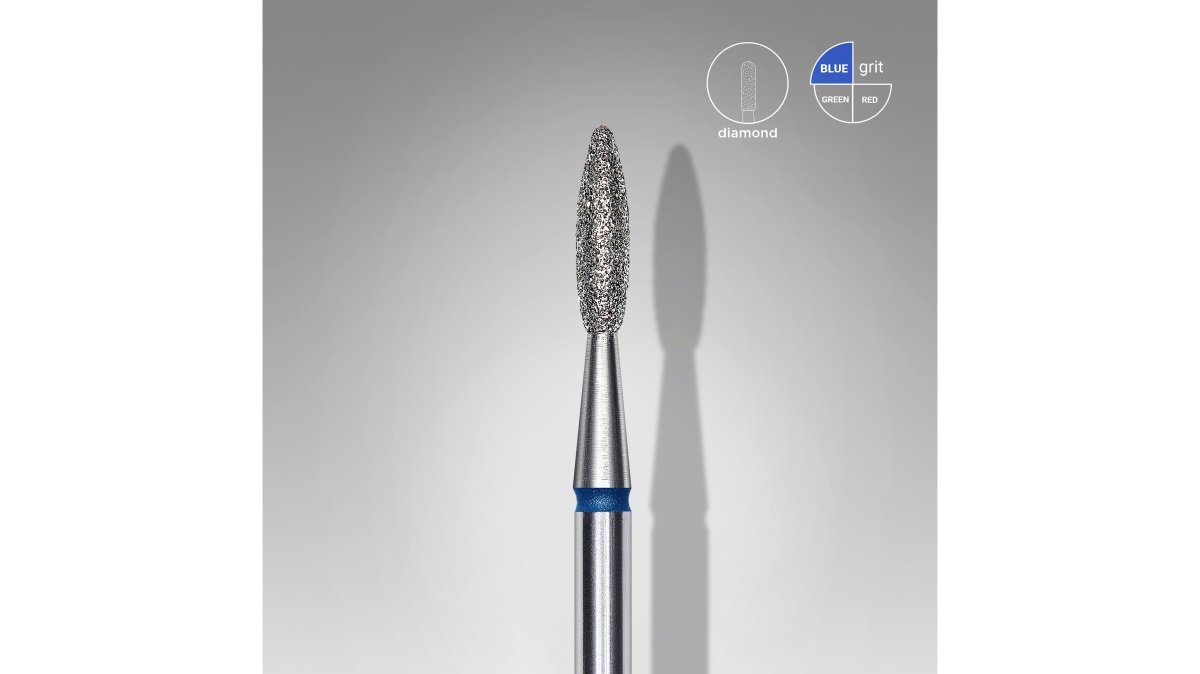
The drill bit matters as much as the handpiece. A wrong bit causes damage, slips, or creates rough edges that catch and tear skin. For cuticle work, you need a medium-grit diamond bit in a flame or rounded shape.
The Staleks Nail Drill Bit - EXPERT Diamond Flame Medium Grit at $7.50 is designed specifically for cuticle prep. The flame shape has three working surfaces: the pointed tip for detailed corners, the flat belly for the cuticle line, and the nose for lateral nail folds.
Grit matters. Fine grits (220+) are for polishing. Medium grits (100-180) are for cuticle and surface work. Coarse grits (50-80) are for shaping and bulk removal. Beginners should stick with medium grit until they understand how pressure translates to damage.
Work at a 45-degree angle. This positioning lets the bit remove dead skin without digging into the nail bed.
How to Clean and Disinfect Nail Tools Properly
Dirty tools spread infection. Professional disinfection isn't optional, it's the difference between a safe service and a health code violation. Every tool that touches skin must be sterilized between clients.
The standard approach is three steps: clean, disinfect, sterilize. First, wash tools with soap and warm water to remove visible debris. Second, soak in a hospital-grade disinfectant (like a 10% bleach solution) for the time specified on the product label, usually 10 minutes. Third, sterilize using heat or UV light.
For professional settings, a UV sterilizer can be used. The Silk B Professional UV Sterilizer at $145.00 uses UV-C light with 160mw/cm² irradiance. The double-layer cabinet holds multiple tools simultaneously, and the auto-timer prevents over-exposure. It's designed for salon use and handles nail tools, barber tools, and medical instruments.
For home use or small operations, soak tools in a disinfectant solution, then store them in a clean, dry place. Replace disinfectant daily. Never reuse the same solution for multiple days.
Nail drills and handpieces cannot be submerged. Wipe the exterior with a disinfectant cloth. Use a small brush to clean the bit shank before switching bits. Store bits in a clean container.
Building Your Starter Kit by Budget and Service Type
Your first investment depends on what you're actually offering. A manicure-only operation needs different tools than someone offering acrylics. A home-based business needs different equipment than a salon.
For at-home gel manicures ($75-150): Start with the Nail DIY Beginners Kit at $75.00. It includes everything needed for gel polish application. Add the SP Cuticle Pusher ($8.00) and The GelBottle Nail Buffer ($3.68). Total: approximately $87.
For professional salon manicures ($200-400): Add the Berkeley Nail Clipper ($16.20 for 12), Staleks Nippers ($33.59), and The GelBottle Illuminate Lamp ($249.00) for gel work. Total: approximately $302.

For professional nail art and extensions ($600+): Add the Kupa Handpiece ($395.00), Staleks Drill Bits ($7.50 each, buy 3-5 different shapes), and the Silk B Sterilizer ($145.00) for proper disinfection. Total: approximately $650+.
Start small. Add tools as you develop demand for new services. Buying a complete professional setup before you have clients is how money gets wasted.
Common Mistakes Beginners Make with Professional Nail Tools
The tools are only half the equation. How you use them determines whether they prevent injury or cause it.
Mistake 1: Using the drill too fast. Beginners assume faster is better. It's not. High speed reduces control and increases heat, which burns skin. Start at 10,000 RPM and increase only as your technique improves.
Mistake 2: Applying pressure instead of letting the tool do the work. A professional drill bit is designed to cut with minimal pressure.
Mistake 3: Skipping disinfection because "it's just one client" or "it's a friend." Infection doesn't care if you know the person. One missed disinfection cycle can spread fungus or bacteria.
Mistake 4: Buying cheap alternatives to save money. A professional tool costs more upfront but lasts years and prevents costly mistakes. The math favors the investment.
Mistake 5: Using the same bit for multiple purposes. Each bit shape and grit is designed for specific work. A flame bit for cuticles isn't the right choice for filing. A coarse bit for shaping isn't appropriate for detail work.
Building a professional nail toolkit as a beginner requires patience and intentionality. Our curated selection of professional-grade tools, from the Staleks Nippers to the Kupa Handpiece, ensures you're investing in equipment that will serve you for years.
Frequently Asked Questions
What professional nail tools should a beginner nail tech buy first?
Start with the essentials: a quality nail file, cuticle pusher, nail clippers or nippers, and a nail buffer. These form the foundation of nail care and surface preparation. The Nail DIY Beginners Kit ($75.00) bundles many of these tools together with base coat, top coat, and a mini lamp, making it ideal for beginners. Add a UV or LED lamp next, then consider a nail drill once you're comfortable with basic techniques. Prioritize quality over quantity; professional-grade tools last longer and reduce injury risk.
What are the best nail drill bits for cuticle work for beginners?
Medium-grit diamond bits are safest for beginners working on cuticles. The Staleks Nail Drill Bit - EXPERT Diamond Flame Medium Grit ($7.50) is designed specifically for this purpose. The flame shape processes cuticles and lateral nail folds without risking skin injury. Work at a 45-degree angle and use light pressure. Avoid fine grits until you develop control, as they cut too aggressively. Always start with lower drill speeds and increase gradually as your technique improves.
How do you properly clean and disinfect professional nail tools?
Clean tools immediately after use with warm soapy water to remove debris. For disinfection, use a UV sterilizer like the Silk B Professional UV Sterilizer ($145.00). Alternatively, soak metal tools in a hospital-grade disinfectant for the manufacturer's recommended time. Never reuse tools without disinfection. Washable tools like buffers should be cleaned between each client. Store sterilized tools in a clean, dry container to prevent recontamination.
Do I need a professional nail drill as a beginner?
Not immediately. Master hand-filing and cuticle work first using files, buffers, and pushers. Once comfortable with basic techniques, a nail drill accelerates your workflow significantly. The Kupa MANIPRO KP-60 Handpiece ($395.00) is professional-grade but requires proper training to use safely. Beginners should start with a basic drill at lower speeds and invest in proper training before purchasing premium equipment. A drill is essential for acrylic or builder gel work but optional for basic manicures.
What makes professional nail tools different from regular nail care tools?
Professional nail tools are engineered for durability, precision, and frequent use. They feature sharper blades, better ergonomics, and materials that withstand repeated sterilization. Professional cuticle nippers like the Staleks Professional Nail Nippers EXPERT 60 ($33.59) have superior cutting angles and balance compared to drugstore alternatives. Professional drills reach higher RPMs with less vibration, and professional-grade buffers maintain their grit longer. These differences reduce hand fatigue, improve results, and prevent client injuries, critical for salon work or frequent at-home use.